Confidence is an important aspect of playing music well and gives students the freedom to play with boldness and take on new challenges. It doesn’t happen overnight but rather evolves over time with deliberate, purposeful practice and regular exposure to new as well as familiar material. Each exercise or technique that is completed and mastered, each performance that is successful leads to the realization that what has been learned can be done, warming uncertainty into confidence.
One of the most important (if not THE most important) aspects of building self-confidence is setting attainable goals. Dividing up bigger tasks into smaller, more manageable pieces allows students to treat each one as concrete evidence of progress made. Rejoicing in these victories, no matter how small, helps to keep the momentum and nurture positive thinking. With practice, students mature a self-belief that isn’t limited to the individual pieces they are playing, but about musicianship in general.
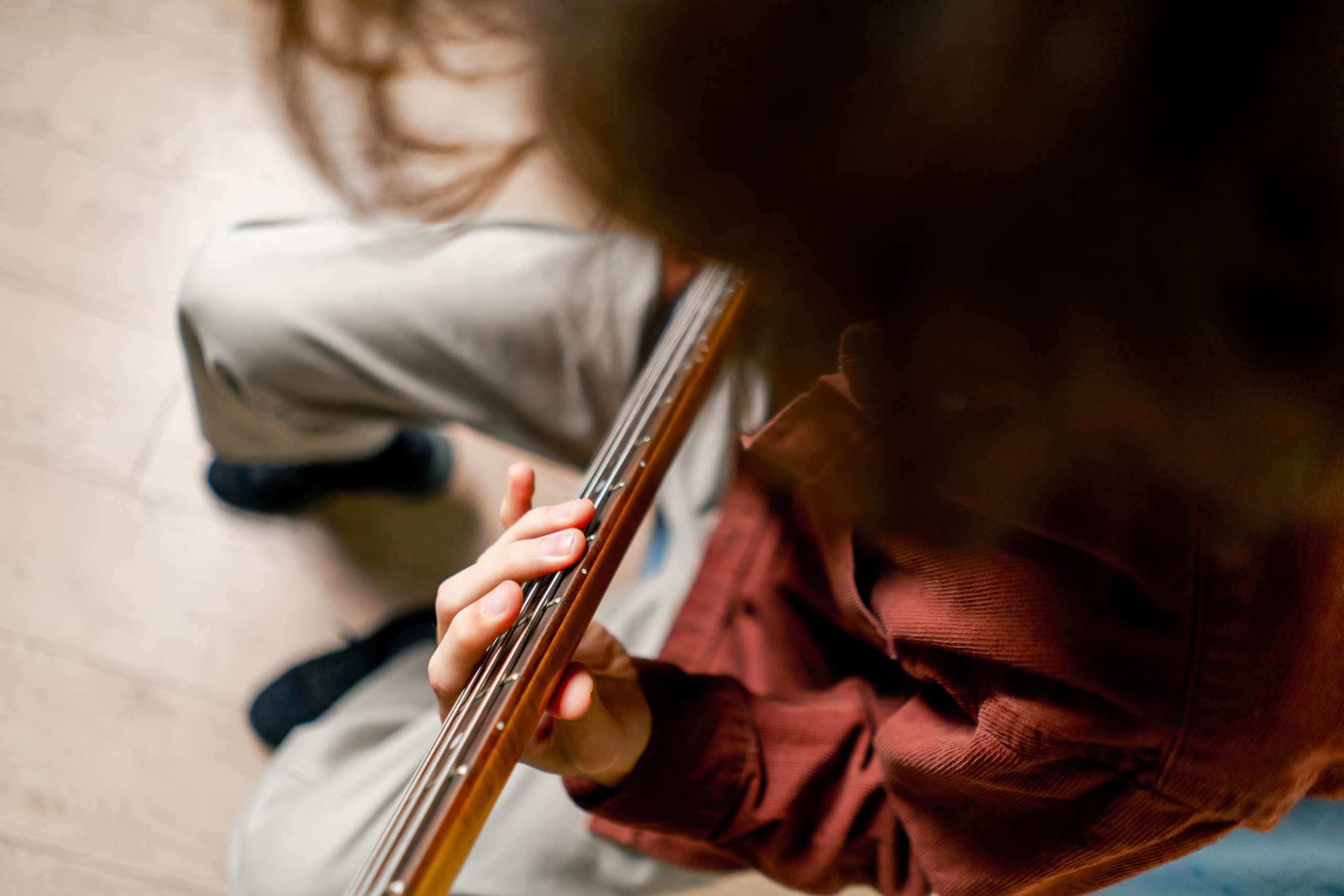
Structured practice plans establish a consistent environment to build confidence. From a clear progression of exercises, students can predict and identify problems, measure their progress and build up to more difficult tasks. This element of predictability frees the mind of worry, allowing those who play to concentrate on their fretting hands and the notes coming from them. Regular work leads to a rhythm of achievement which generates strength and stickabilty.
What’s more, even performance opportunities–in private practice or among friends–help build confidence faster. Group-sharing music promotes responsibility, while also teaching students to channel nerves in a positive way. Both positive and negative feedback from such experiences have the effect of validating strengths and pointing out ways to improve, both contributing positively to self-confidence and competency.
At the end of the day it’s all connected, confidence and ability. When students put in the hours, see themselves grow, and have positive performance experiences along the way, they develop a mastery that allows them to approach new challenges confidently, perform comfortably and maintain a lifelong pursuit of music.